User Research
Beauty & Wellness
A research study exploring evolving consumer behaviors and future trends in India’s beauty and wellness industry.
Duration
Jul 2020 - Aug 2020
Role
Design Researcher
Industry
HealthTech, Wellness
Platform
Miro

Highlight
A forward-looking research project aimed at understanding the evolving landscape of the Indian beauty and wellness industry by studying consumer behavior, perceptions, and aspirations. The project combined qualitative and quantitative research methods to uncover emerging trends, user segments, and opportunities for innovation.
Context & Problem
The Indian beauty industry is rapidly evolving with the rise of digital influence, global trends, and increasing consumer awareness. However:
Consumer decision-making is complex and influenced by trust, affordability, and aspiration
There is a disconnect between online and offline experiences
Users seek personalised yet trustworthy solutions, but often struggle with choice overload and lack of clarity
Brands lack deep insight into how real users interact with products in daily life
Challenge:
To understand consumption patterns, motivations, and unmet needs of urban Indian women and identify opportunities for future-ready beauty and wellness experiences.
My Role & Responsibilities
Conducted secondary and primary research
Co-planned and executed research strategy and activities
Designed and conducted:
Diary studies
Observation studies
Surveys
In-depth interviews
Synthesized data using:
Clustering
Persona building
Insight mapping
Contributed to insight generation and opportunity identification
Created visual documentation and research outputs
Process
1. Secondary Research
Industry and market analysis (India + global)
Trend mapping (e.g., nutricosmetics, cosmeceuticals, zero-waste beauty)
Study of emerging technologies (AR, IoT, AI in beauty)
2. Research Planning
Defined hypotheses and research goals
Designed research framework and participant groups
Planned qualitative + quantitative methods
3. Primary Research
Diary Study (15 participants)
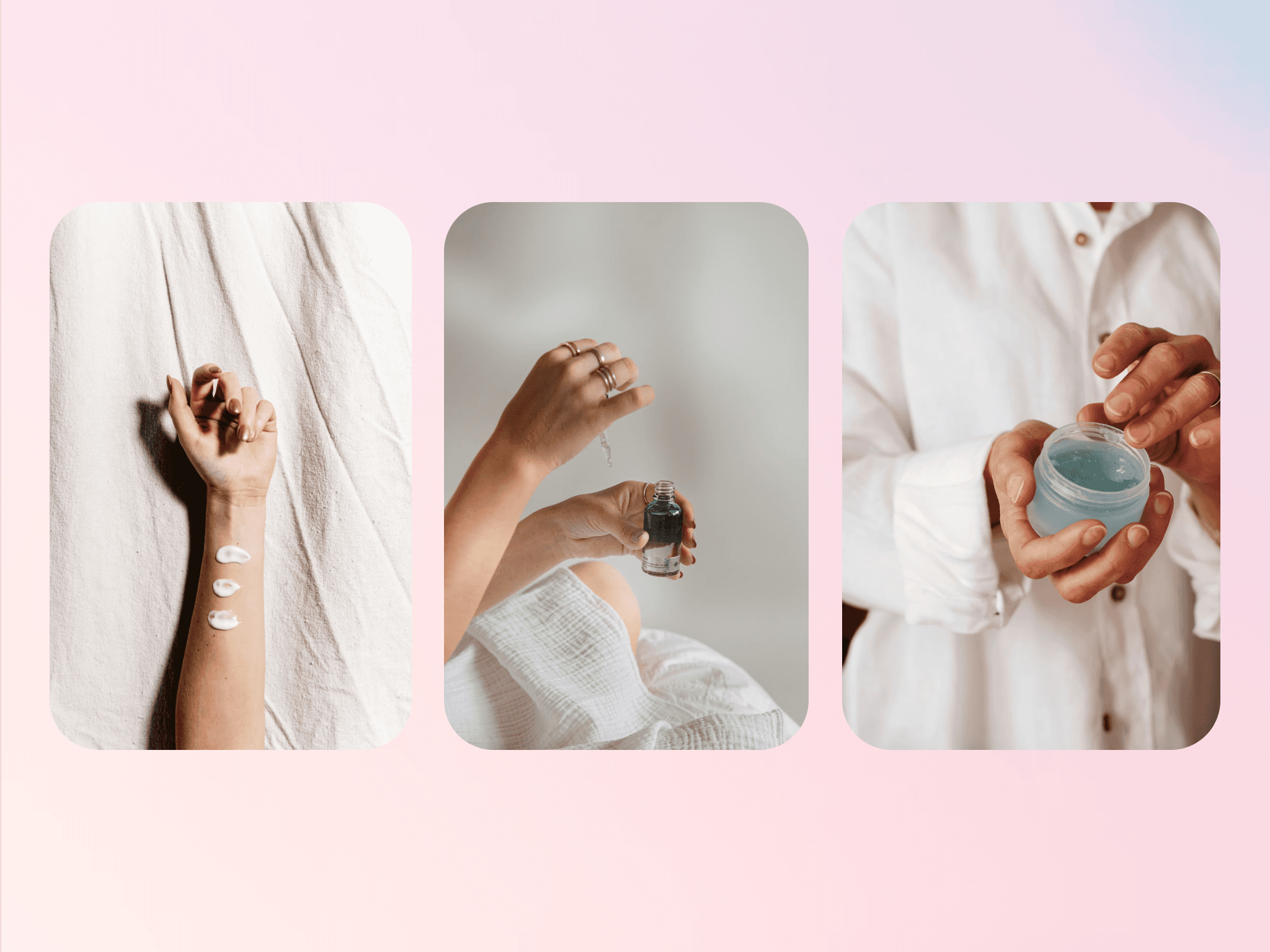
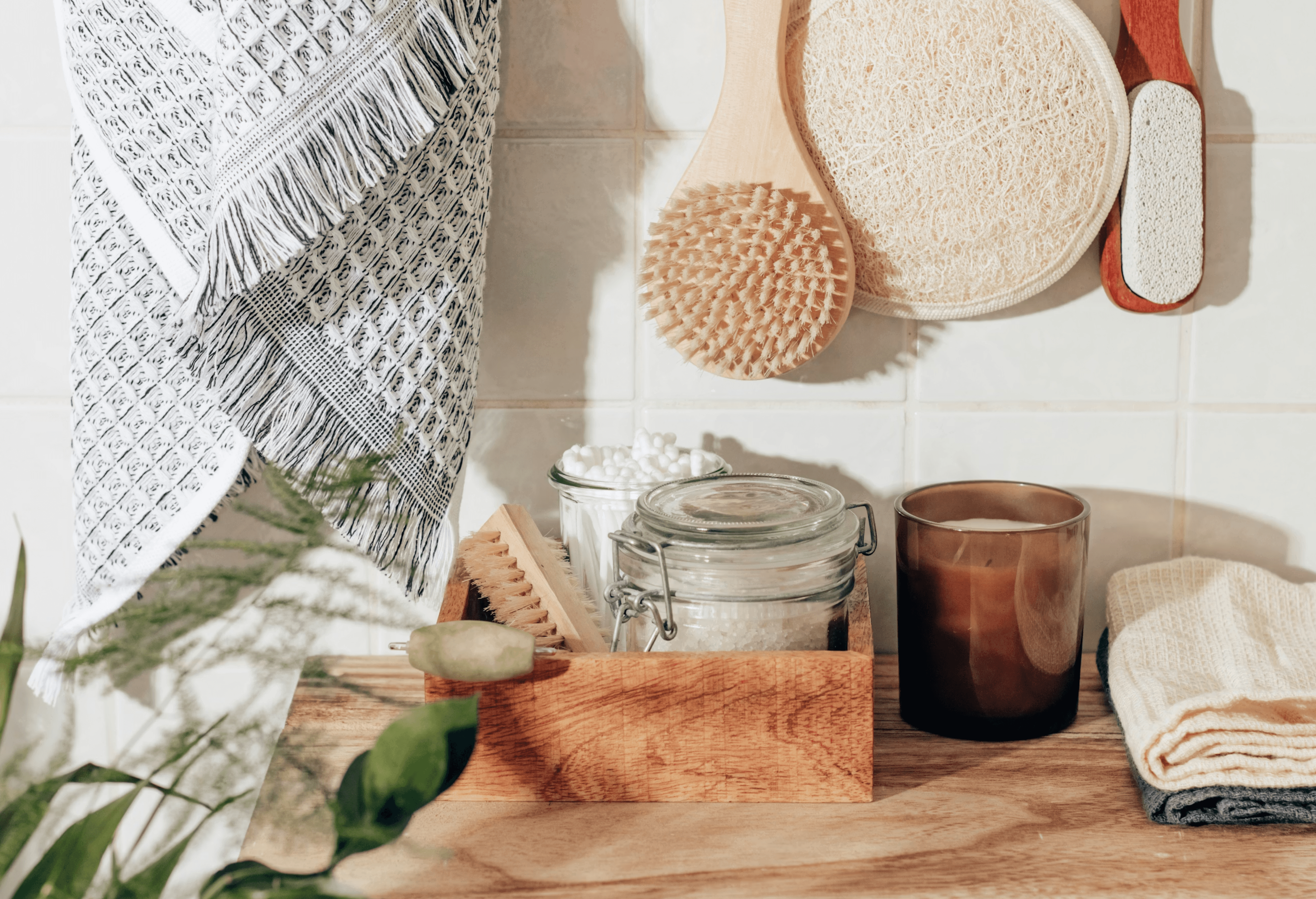
Captured real-life product usage and storage habits
Collected 40+ images of personal beauty collections
Observation Study
Conducted in retail environments (salons, clinics, stores)
Studied behaviors, interactions, and spatial experiences
Online Survey (25+ participants)
Validated behavioral patterns at scale
In-depth Interviews (25 total)
14 consumers + 11 industry experts
Explored motivations, trust factors, and aspirations
4. Synthesis & Analysis
Data clustering and theme identification
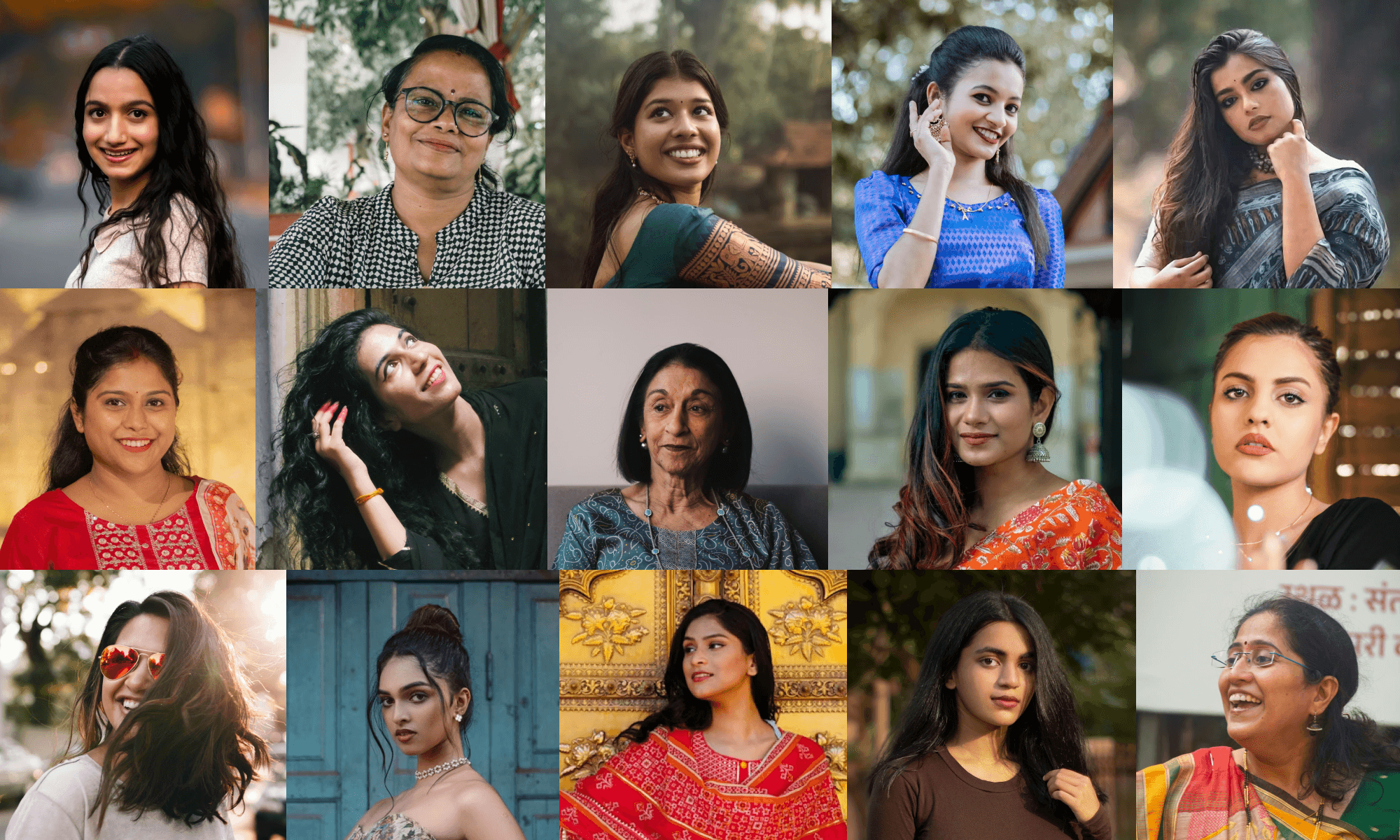
Persona creation across age groups
Mapping behaviors, needs, and aspirations
Identification of key opportunity areas

Process
1. Secondary Research
Industry and market analysis (India + global)
Trend mapping (e.g., nutricosmetics, cosmeceuticals, zero-waste beauty)
Study of emerging technologies (AR, IoT, AI in beauty)
2. Research Planning
Defined hypotheses and research goals
Designed research framework and participant groups
Planned qualitative + quantitative methods
3. Primary Research
Diary Study (15 participants)
Captured real-life product usage and storage habits
Collected 40+ images of personal beauty collections
Observation Study
Conducted in retail environments (salons, clinics, stores)
Studied behaviors, interactions, and spatial experiences
Online Survey (25+ participants)
Validated behavioral patterns at scale
In-depth Interviews (25 total)
14 consumers + 11 industry experts
Explored motivations, trust factors, and aspirations
4. Synthesis & Analysis
Data clustering and theme identification
Persona creation across age groups
Mapping behaviors, needs, and aspirations
Identification of key opportunity areas
Insights
Key User Insights
Strong emotional attachment to beauty products (“collections”)
High reliance on peer validation (friends & family) over brands
Preference for offline experiences, despite online growth
Demand for guidance without intrusive sales interaction
Increasing awareness of ingredients and skin-specific needs
Behavioral Patterns
Mix of aspirational and affordable products
Segmentation of products (daily vs occasion-based)
Influence of weather, lifestyle, and budget on purchases
Desire to physically experience products before buying
Opportunities
Emerging User Segments
Gen Z (influencer-driven, budget-conscious)
Young professionals (experimental, self-driven)
Older millennials (loyal, risk-averse)
Middle-aged users (wellness-focused, minimal experimentation)
Opportunity Areas
Seamless online–offline integrated experiences
Personalised yet trustworthy recommendations
Improved in-store navigation and discovery
Community-driven platforms for shared validation
Transparent communication around ingredients and efficacy
Hybrid beauty experiences combining wellness + aesthetics
Key Learnings
Deep user research is essential to uncover latent needs beyond stated behavior
Combining multiple methods (diary, observation, interviews) leads to richer insights
Trust is a critical currency in the beauty industry
Collaboration enhances the quality and depth of research outcomes
Flexibility and adaptability are crucial when dealing with real-world research challenges
This project strengthened my ability to translate research into meaningful design opportunities

Want to know more?
Whether it's a quick chat or a deep dive, I'd love to hear from you.
More Projects


User Research
Beauty & Wellness
A research study exploring evolving consumer behaviors and future trends in India’s beauty and wellness industry.
Duration
Jul 2020 - Aug 2020
Role
Design Researcher
Industry
HealthTech, Wellness
Platform
Miro
Highlight
A forward-looking research project aimed at understanding the evolving landscape of the Indian beauty and wellness industry by studying consumer behavior, perceptions, and aspirations. The project combined qualitative and quantitative research methods to uncover emerging trends, user segments, and opportunities for innovation.
Context & Problem
The Indian beauty industry is rapidly evolving with the rise of digital influence, global trends, and increasing consumer awareness. However:
Consumer decision-making is complex and influenced by trust, affordability, and aspiration
There is a disconnect between online and offline experiences
Users seek personalised yet trustworthy solutions, but often struggle with choice overload and lack of clarity
Brands lack deep insight into how real users interact with products in daily life
Challenge:
To understand consumption patterns, motivations, and unmet needs of urban Indian women and identify opportunities for future-ready beauty and wellness experiences.
My Role & Responsibilities
Conducted secondary and primary research
Co-planned and executed research strategy and activities
Designed and conducted:
Diary studies
Observation studies
Surveys
In-depth interviews
Synthesized data using:
Clustering
Persona building
Insight mapping
Contributed to insight generation and opportunity identification
Created visual documentation and research outputs
Process
1. Secondary Research
Industry and market analysis (India + global)
Trend mapping (e.g., nutricosmetics, cosmeceuticals, zero-waste beauty)
Study of emerging technologies (AR, IoT, AI in beauty)
2. Research Planning
Defined hypotheses and research goals
Designed research framework and participant groups
Planned qualitative + quantitative methods
3. Primary Research
Diary Study (15 participants)
Captured real-life product usage and storage habits
Collected 40+ images of personal beauty collections
Observation Study
Conducted in retail environments (salons, clinics, stores)
Studied behaviors, interactions, and spatial experiences
Online Survey (25+ participants)
Validated behavioral patterns at scale
In-depth Interviews (25 total)
14 consumers + 11 industry experts
Explored motivations, trust factors, and aspirations
4. Synthesis & Analysis
Data clustering and theme identification
Persona creation across age groups
Mapping behaviors, needs, and aspirations
Identification of key opportunity areas
Process
1. Secondary Research
Industry and market analysis (India + global)
Trend mapping (e.g., nutricosmetics, cosmeceuticals, zero-waste beauty)
Study of emerging technologies (AR, IoT, AI in beauty)
2. Research Planning
Defined hypotheses and research goals
Designed research framework and participant groups
Planned qualitative + quantitative methods
3. Primary Research
Diary Study (15 participants)
Captured real-life product usage and storage habits
Collected 40+ images of personal beauty collections
Observation Study
Conducted in retail environments (salons, clinics, stores)
Studied behaviors, interactions, and spatial experiences
Online Survey (25+ participants)
Validated behavioral patterns at scale
In-depth Interviews (25 total)
14 consumers + 11 industry experts
Explored motivations, trust factors, and aspirations
4. Synthesis & Analysis
Data clustering and theme identification
Persona creation across age groups
Mapping behaviors, needs, and aspirations
Identification of key opportunity areas
Insights
Key User Insights
Strong emotional attachment to beauty products (“collections”)
High reliance on peer validation (friends & family) over brands
Preference for offline experiences, despite online growth
Demand for guidance without intrusive sales interaction
Increasing awareness of ingredients and skin-specific needs
Behavioral Patterns
Mix of aspirational and affordable products
Segmentation of products (daily vs occasion-based)
Influence of weather, lifestyle, and budget on purchases
Desire to physically experience products before buying
Opportunities
Emerging User Segments
Gen Z (influencer-driven, budget-conscious)
Young professionals (experimental, self-driven)
Older millennials (loyal, risk-averse)
Middle-aged users (wellness-focused, minimal experimentation)
Opportunity Areas
Seamless online–offline integrated experiences
Personalised yet trustworthy recommendations
Improved in-store navigation and discovery
Community-driven platforms for shared validation
Transparent communication around ingredients and efficacy
Hybrid beauty experiences combining wellness + aesthetics
Key Learnings
Deep user research is essential to uncover latent needs beyond stated behavior
Combining multiple methods (diary, observation, interviews) leads to richer insights
Trust is a critical currency in the beauty industry
Collaboration enhances the quality and depth of research outcomes
Flexibility and adaptability are crucial when dealing with real-world research challenges
This project strengthened my ability to translate research into meaningful design opportunities
Want to know more?
Whether it's a quick chat or a deep dive, I'd love to hear from you.
More Projects
User Research
Beauty & Wellness
A research study exploring evolving consumer behaviors and future trends in India’s beauty and wellness industry.
Duration
Jul 2020 - Aug 2020
Role
Design Researcher
Industry
HealthTech, Wellness
Platform
Miro
Highlight
A forward-looking research project aimed at understanding the evolving landscape of the Indian beauty and wellness industry by studying consumer behavior, perceptions, and aspirations. The project combined qualitative and quantitative research methods to uncover emerging trends, user segments, and opportunities for innovation.
Context & Problem
The Indian beauty industry is rapidly evolving with the rise of digital influence, global trends, and increasing consumer awareness. However:
Consumer decision-making is complex and influenced by trust, affordability, and aspiration
There is a disconnect between online and offline experiences
Users seek personalised yet trustworthy solutions, but often struggle with choice overload and lack of clarity
Brands lack deep insight into how real users interact with products in daily life
Challenge:
To understand consumption patterns, motivations, and unmet needs of urban Indian women and identify opportunities for future-ready beauty and wellness experiences.
My Role & Responsibilities
Conducted secondary and primary research
Co-planned and executed research strategy and activities
Designed and conducted:
Diary studies
Observation studies
Surveys
In-depth interviews
Synthesized data using:
Clustering
Persona building
Insight mapping
Contributed to insight generation and opportunity identification
Created visual documentation and research outputs
Process
1. Secondary Research
Industry and market analysis (India + global)
Trend mapping (e.g., nutricosmetics, cosmeceuticals, zero-waste beauty)
Study of emerging technologies (AR, IoT, AI in beauty)
2. Research Planning
Defined hypotheses and research goals
Designed research framework and participant groups
Planned qualitative + quantitative methods
3. Primary Research
Diary Study (15 participants)
Captured real-life product usage and storage habits
Collected 40+ images of personal beauty collections
Observation Study
Conducted in retail environments (salons, clinics, stores)
Studied behaviors, interactions, and spatial experiences
Online Survey (25+ participants)
Validated behavioral patterns at scale
In-depth Interviews (25 total)
14 consumers + 11 industry experts
Explored motivations, trust factors, and aspirations
4. Synthesis & Analysis
Data clustering and theme identification
Persona creation across age groups
Mapping behaviors, needs, and aspirations
Identification of key opportunity areas
Process
1. Secondary Research
Industry and market analysis (India + global)
Trend mapping (e.g., nutricosmetics, cosmeceuticals, zero-waste beauty)
Study of emerging technologies (AR, IoT, AI in beauty)
2. Research Planning
Defined hypotheses and research goals
Designed research framework and participant groups
Planned qualitative + quantitative methods
3. Primary Research
Diary Study (15 participants)
Captured real-life product usage and storage habits
Collected 40+ images of personal beauty collections
Observation Study
Conducted in retail environments (salons, clinics, stores)
Studied behaviors, interactions, and spatial experiences
Online Survey (25+ participants)
Validated behavioral patterns at scale
In-depth Interviews (25 total)
14 consumers + 11 industry experts
Explored motivations, trust factors, and aspirations
4. Synthesis & Analysis
Data clustering and theme identification
Persona creation across age groups
Mapping behaviors, needs, and aspirations
Identification of key opportunity areas
Insights
Key User Insights
Strong emotional attachment to beauty products (“collections”)
High reliance on peer validation (friends & family) over brands
Preference for offline experiences, despite online growth
Demand for guidance without intrusive sales interaction
Increasing awareness of ingredients and skin-specific needs
Behavioral Patterns
Mix of aspirational and affordable products
Segmentation of products (daily vs occasion-based)
Influence of weather, lifestyle, and budget on purchases
Desire to physically experience products before buying
Opportunities
Emerging User Segments
Gen Z (influencer-driven, budget-conscious)
Young professionals (experimental, self-driven)
Older millennials (loyal, risk-averse)
Middle-aged users (wellness-focused, minimal experimentation)
Opportunity Areas
Seamless online–offline integrated experiences
Personalised yet trustworthy recommendations
Improved in-store navigation and discovery
Community-driven platforms for shared validation
Transparent communication around ingredients and efficacy
Hybrid beauty experiences combining wellness + aesthetics
Key Learnings
Deep user research is essential to uncover latent needs beyond stated behavior
Combining multiple methods (diary, observation, interviews) leads to richer insights
Trust is a critical currency in the beauty industry
Collaboration enhances the quality and depth of research outcomes
Flexibility and adaptability are crucial when dealing with real-world research challenges
This project strengthened my ability to translate research into meaningful design opportunities
Want to know more?
Whether it's a quick chat or a deep dive, I'd love to hear from you.