Design System
Honeywell Forge Design System
Designing and Maintaining the Forge Design System
Duration
Aug 2022 - Aug 2023
Role
Design System Designer
Industry
B2B, Saas
Platform
Web, app, desktop
Highlights
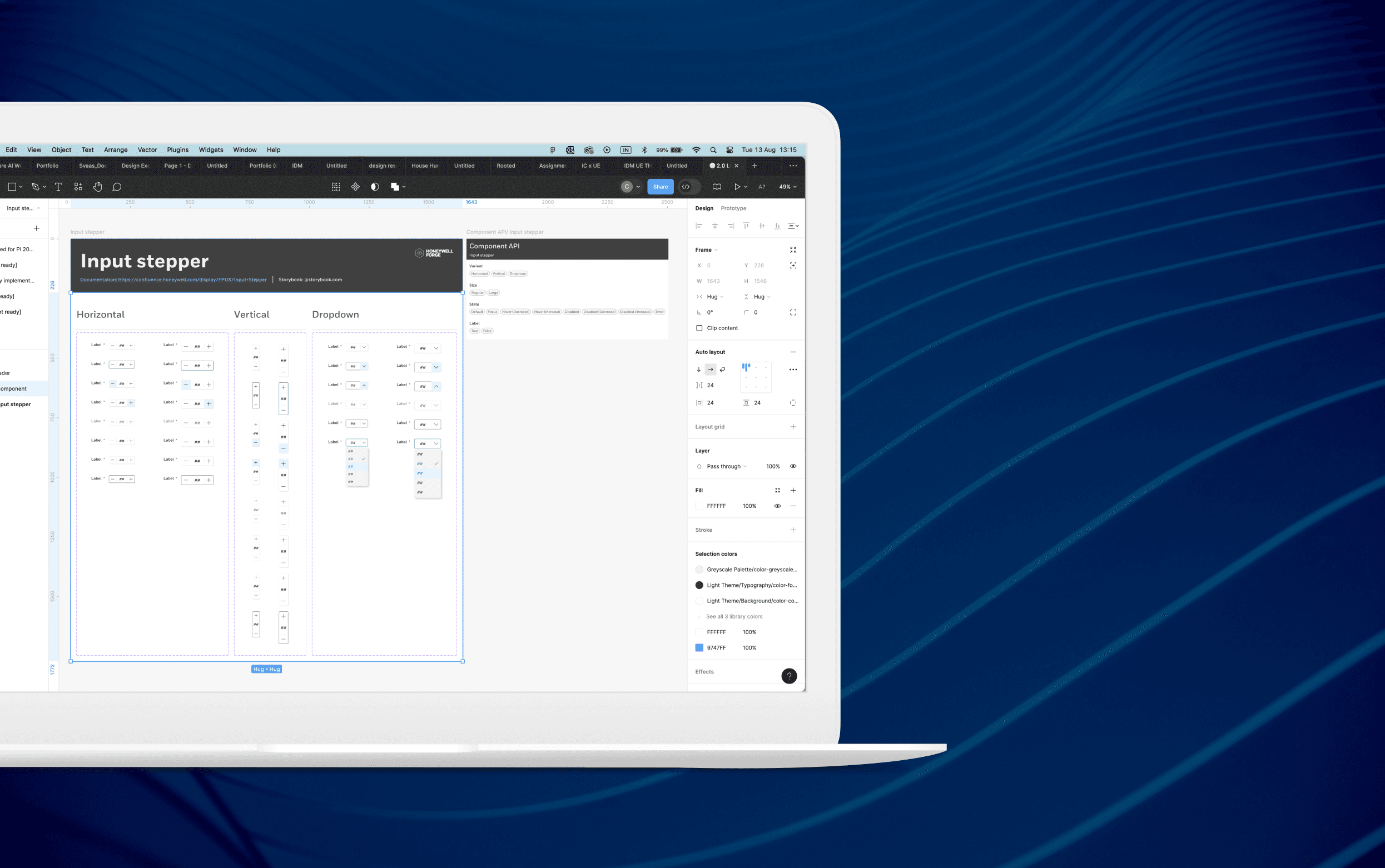
Built a scalable enterprise design system, significantly improving design and development efficiency across more than 30 products. By ensuring 100% accessibility compliance for all components, establishing a high standard of inclusivity that enabled seamless global adoption across teams. This unified system now serves as the foundational framework for consistent, high-quality product delivery at scale.
Context & Problem
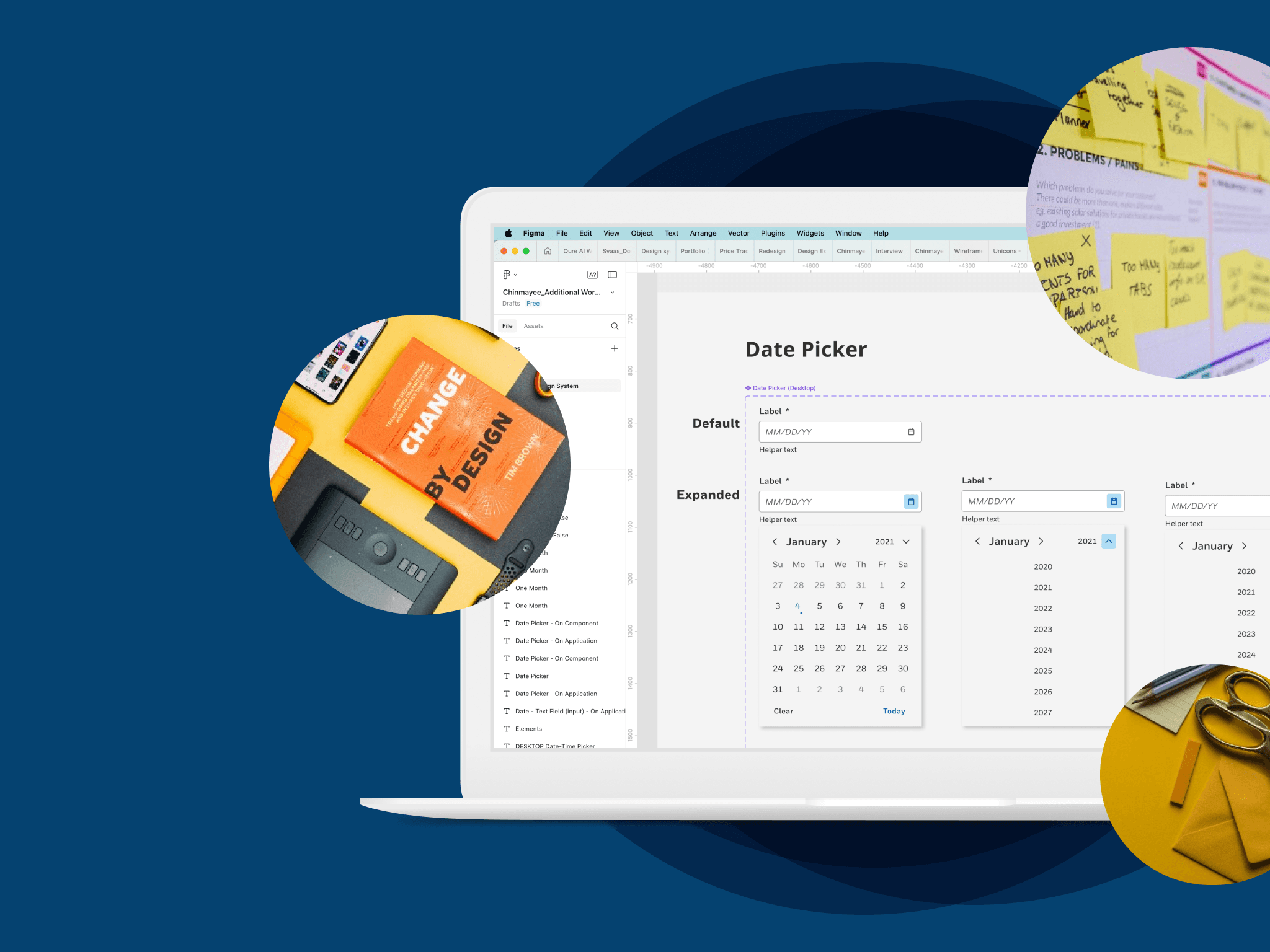
Honeywell’s enterprise products lacked consistency, with teams building components independently. This led to duplicated effort, inconsistent UI and accessibility gaps.
The challenge was to create a unified, scalable design system that could support multiple products, teams and platforms.
Core metrics:
Aim to reduce product development time by 20–40%
Target to cut design and engineering rework by atleast 50%
Ensure 100% accessibility compliance (WCAG AA) across all products
Improve consistency across 30+ enterprise applications
Enable 2× faster onboarding for designers and developers with clear guidelines and shared systems
My Role & Responsibilities
Worked as a Product Designer on the Forge Design System team
Designed and refined core components and patterns
Created documentation and usage guidelines
Collaborated closely with developers for implementation and QA
Acted as a liaison between the design system and product teams
Conducted workshops and onboarding sessions
Distributed a monthly design system newsletter to update all design teams
Defined and documented UX writing guidelines

Process
Research
Conducted workshops and interviews with designers and developers
Audited existing product UIs and components
Identified gaps in flexibility, accessibility and adoption
Key Insights
Teams customized components due to lack of flexibility
Poor documentation led to inconsistent usage
Lack of accessibility standards across products
Strategy
Build flexible, modular components
Ensure accessibility by default
Improve adoption through documentation and collaboration
Process
Research
Conducted workshops and interviews with designers and developers
Audited existing product UIs and components
Identified gaps in flexibility, accessibility and adoption
Key Insights
Teams customized components due to lack of flexibility
Poor documentation led to inconsistent usage
Lack of accessibility standards across products
Strategy
Build flexible, modular components
Ensure accessibility by default
Improve adoption through documentation and collaboration
Solution Overview
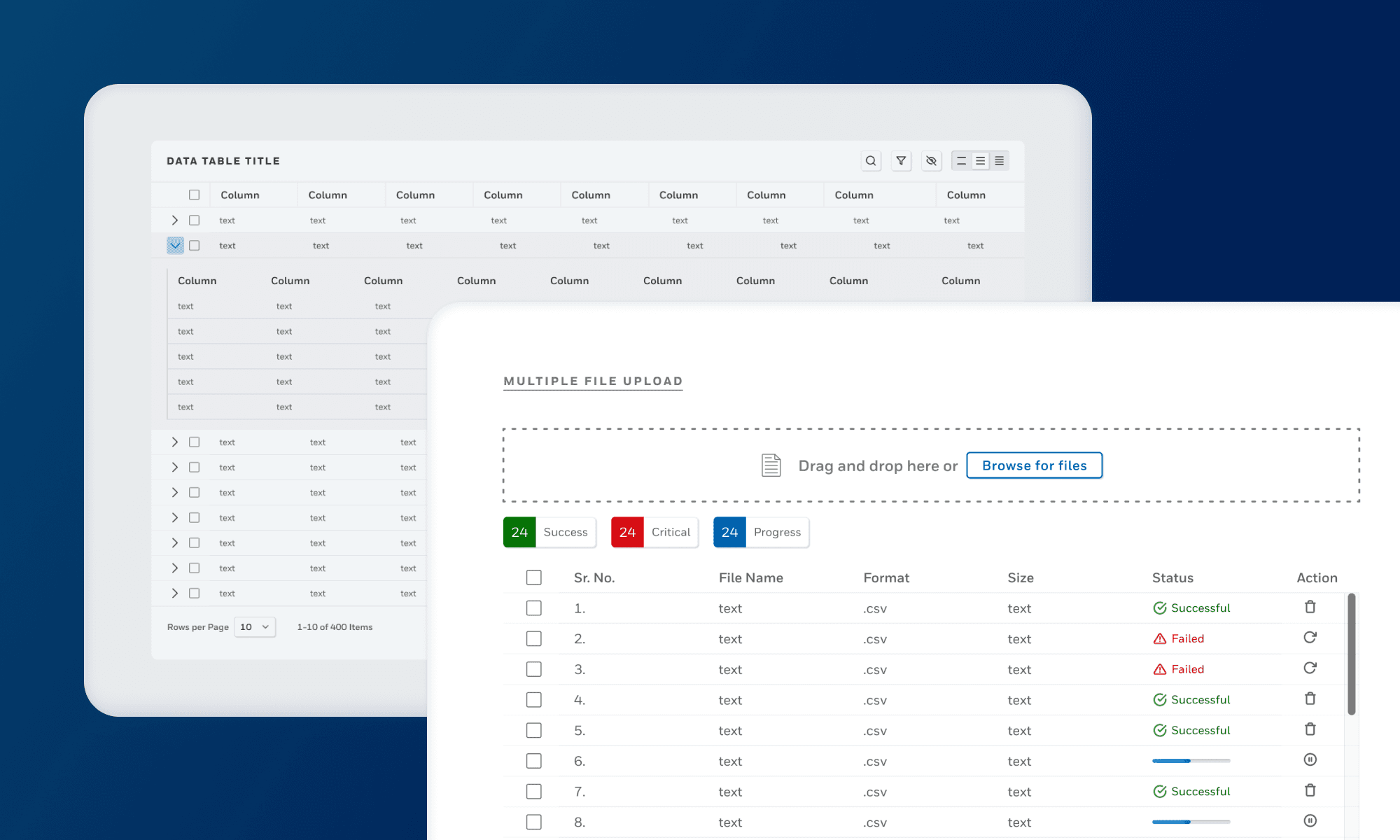
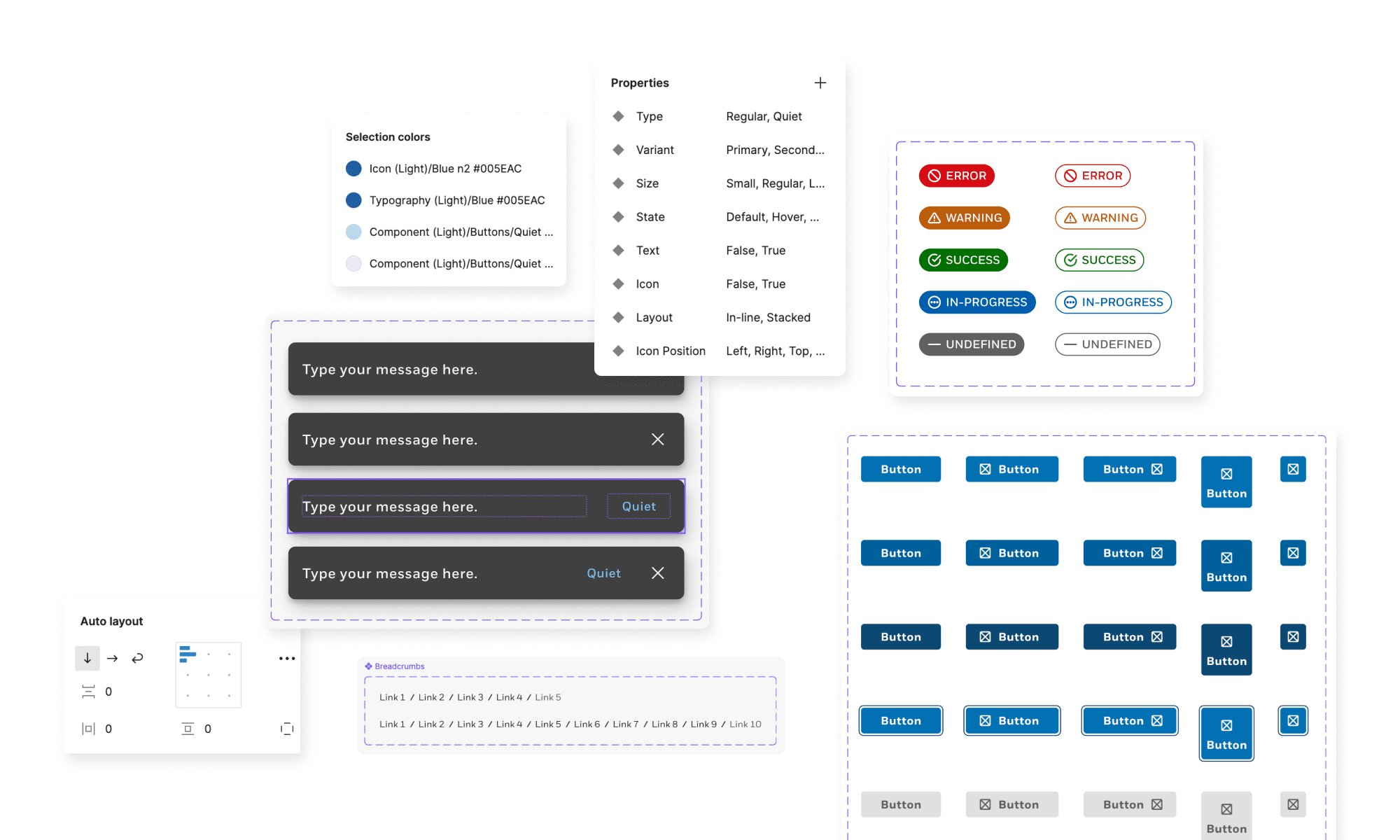
Designed modular, configurable components aligned with design tokens
Ensured WCAG-compliant accessibility across components
Created detailed documentation, usage guidelines and edge cases
Defined UX writing principles for consistent language
Established cross-platform patterns for web and native
Collaborated with developers to build a scalable UI library
Conducted QA, testing and troubleshooting during implementation
Led workshops and feedback loops to drive adoption
Results & Impact
Successfully met the core targets making the design system a trusted foundation for scalable and consistent product development with widespread adoption across multiple teams and products.
30%
faster product development cycles
70%
increase in design efficiency
100%
accessibility compliance across components
50%
reduction in design and development rework
Key Learnings
Collaboration is essential: Alignment across design, development and product ensured success
Flexibility drives adoption: Systems must adapt to real-world use cases
Documentation enables scale: Clear guidelines empowered teams to use the system effectively
Accessibility is non-negotiable: Inclusive design must be built into the foundation
Continuous iteration improves systems: Feedback loops strengthened the system over time

Want to know more?
Whether it's a quick chat or a deep dive, I'd love to hear from you.
More Projects


Design System
Honeywell Forge Design System
Designing and Maintaining the Forge Design System
Duration
Aug 2022 - Aug 2023
Role
Design System Designer
Industry
B2B, Saas
Platform
Web, app, desktop
Highlights
Built a scalable enterprise design system, significantly improving design and development efficiency across more than 30 products. By ensuring 100% accessibility compliance for all components, establishing a high standard of inclusivity that enabled seamless global adoption across teams. This unified system now serves as the foundational framework for consistent, high-quality product delivery at scale.
Context & Problem
Honeywell’s enterprise products lacked consistency, with teams building components independently. This led to duplicated effort, inconsistent UI and accessibility gaps.
The challenge was to create a unified, scalable design system that could support multiple products, teams and platforms.
Core metrics:
Aim to reduce product development time by 20–40%
Target to cut design and engineering rework by atleast 50%
Ensure 100% accessibility compliance (WCAG AA) across all products
Improve consistency across 30+ enterprise applications
Enable 2× faster onboarding for designers and developers with clear guidelines and shared systems
My Role & Responsibilities
Worked as a Product Designer on the Forge Design System team
Designed and refined core components and patterns
Created documentation and usage guidelines
Collaborated closely with developers for implementation and QA
Acted as a liaison between the design system and product teams
Conducted workshops and onboarding sessions
Distributed a monthly design system newsletter to update all design teams
Defined and documented UX writing guidelines
Process
Research
Conducted workshops and interviews with designers and developers
Audited existing product UIs and components
Identified gaps in flexibility, accessibility and adoption
Key Insights
Teams customized components due to lack of flexibility
Poor documentation led to inconsistent usage
Lack of accessibility standards across products
Strategy
Build flexible, modular components
Ensure accessibility by default
Improve adoption through documentation and collaboration
Process
Research
Conducted workshops and interviews with designers and developers
Audited existing product UIs and components
Identified gaps in flexibility, accessibility and adoption
Key Insights
Teams customized components due to lack of flexibility
Poor documentation led to inconsistent usage
Lack of accessibility standards across products
Strategy
Build flexible, modular components
Ensure accessibility by default
Improve adoption through documentation and collaboration
Solution Overview
Designed modular, configurable components aligned with design tokens
Ensured WCAG-compliant accessibility across components
Created detailed documentation, usage guidelines and edge cases
Defined UX writing principles for consistent language
Established cross-platform patterns for web and native
Collaborated with developers to build a scalable UI library
Conducted QA, testing and troubleshooting during implementation
Led workshops and feedback loops to drive adoption
Results & Impact
Successfully met the core targets making the design system a trusted foundation for scalable and consistent product development with widespread adoption across multiple teams and products.
30%
faster product development cycles
70%
increase in design efficiency
100%
accessibility compliance across components
50%
reduction in design and development rework
Key Learnings
Collaboration is essential: Alignment across design, development and product ensured success
Flexibility drives adoption: Systems must adapt to real-world use cases
Documentation enables scale: Clear guidelines empowered teams to use the system effectively
Accessibility is non-negotiable: Inclusive design must be built into the foundation
Continuous iteration improves systems: Feedback loops strengthened the system over time
Want to know more?
Whether it's a quick chat or a deep dive, I'd love to hear from you.
More Projects
Design System
Honeywell Forge Design System
Designing and Maintaining the Forge Design System
Duration
Aug 2022 - Aug 2023
Role
Design System Designer
Industry
B2B, Saas
Platform
Web, app, desktop
Highlights
Built a scalable enterprise design system, significantly improving design and development efficiency across more than 30 products. By ensuring 100% accessibility compliance for all components, establishing a high standard of inclusivity that enabled seamless global adoption across teams. This unified system now serves as the foundational framework for consistent, high-quality product delivery at scale.
Context & Problem
Honeywell’s enterprise products lacked consistency, with teams building components independently. This led to duplicated effort, inconsistent UI and accessibility gaps.
The challenge was to create a unified, scalable design system that could support multiple products, teams and platforms.
Core metrics:
Aim to reduce product development time by 20–40%
Target to cut design and engineering rework by atleast 50%
Ensure 100% accessibility compliance (WCAG AA) across all products
Improve consistency across 30+ enterprise applications
Enable 2× faster onboarding for designers and developers with clear guidelines and shared systems
My Role & Responsibilities
Worked as a Product Designer on the Forge Design System team
Designed and refined core components and patterns
Created documentation and usage guidelines
Collaborated closely with developers for implementation and QA
Acted as a liaison between the design system and product teams
Conducted workshops and onboarding sessions
Distributed a monthly design system newsletter to update all design teams
Defined and documented UX writing guidelines
Process
Research
Conducted workshops and interviews with designers and developers
Audited existing product UIs and components
Identified gaps in flexibility, accessibility and adoption
Key Insights
Teams customized components due to lack of flexibility
Poor documentation led to inconsistent usage
Lack of accessibility standards across products
Strategy
Build flexible, modular components
Ensure accessibility by default
Improve adoption through documentation and collaboration
Process
Research
Conducted workshops and interviews with designers and developers
Audited existing product UIs and components
Identified gaps in flexibility, accessibility and adoption
Key Insights
Teams customized components due to lack of flexibility
Poor documentation led to inconsistent usage
Lack of accessibility standards across products
Strategy
Build flexible, modular components
Ensure accessibility by default
Improve adoption through documentation and collaboration
Solution Overview
Designed modular, configurable components aligned with design tokens
Ensured WCAG-compliant accessibility across components
Created detailed documentation, usage guidelines and edge cases
Defined UX writing principles for consistent language
Established cross-platform patterns for web and native
Collaborated with developers to build a scalable UI library
Conducted QA, testing and troubleshooting during implementation
Led workshops and feedback loops to drive adoption
Results & Impact
Successfully met the core targets making the design system a trusted foundation for scalable and consistent product development with widespread adoption across multiple teams and products.
30%
faster product development cycles
70%
increase in design efficiency
100%
accessibility compliance across components
50%
reduction in design and development rework
Key Learnings
Collaboration is essential: Alignment across design, development and product ensured success
Flexibility drives adoption: Systems must adapt to real-world use cases
Documentation enables scale: Clear guidelines empowered teams to use the system effectively
Accessibility is non-negotiable: Inclusive design must be built into the foundation
Continuous iteration improves systems: Feedback loops strengthened the system over time
Want to know more?
Whether it's a quick chat or a deep dive, I'd love to hear from you.